
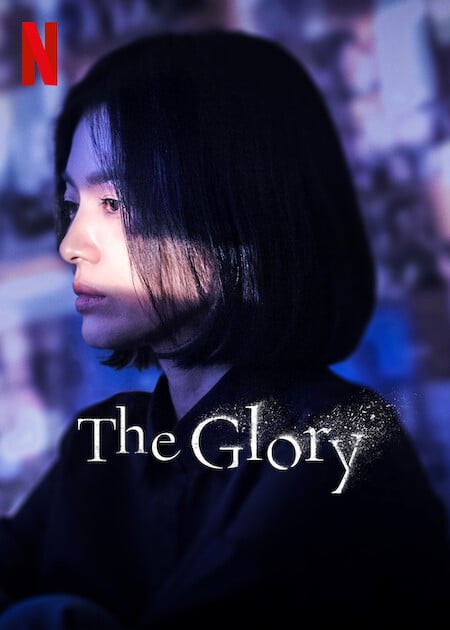
Hello, everyone! How’s everything? Today, I’m excited to share my thoughts on the series The Glory, which has emerged as one of Netflix’s most gripping and critically praised Korean dramas, weaving a compelling narrative of revenge and psychological conflict.
Advertisements
The Glory debuted on Netflix in December 2022, with its first part featuring 8 episodes, followed by a second part in March 2023, adding another 8 episodes, bringing the total to 16 episodes of approximately 55 minutes each. This original Korean series was penned by Kim Eun-sook, the esteemed writer known for successful shows like Goblin and Descendants of the Sun.
This psychological revenge thriller follows Moon Dong-eun, a former victim of bullying who meticulously orchestrates her retaliation against her tormentors 18 years after the traumatic experiences. The series merges elements of psychological drama, thriller, and social commentary, providing an unflinching exploration of bullying, trauma, and the lengths to which one will go to achieve justice.
The show’s dark and methodical narrative style creates an atmosphere filled with tension, delving into issues of class disparity, systemic failures, and the enduring effects of childhood trauma on adult lives.
Eighteen Years of Calculated Retribution
The Glory focuses on Moon Dong-eun, who faced intense bullying and mistreatment during her high school years, including being burned with hair straighteners and tormented by a group of privileged peers. After dropping out and living in hardship for years, she meticulously plots her revenge, becoming an elementary school teacher to get close to the daughter of her main tormentor, Park Yeon-jin.
The narrative unfolds across dual timelines, showcasing the horrific abuse Dong-eun endured as a teenager while depicting her current execution of a detailed revenge scheme. Each episode unveils another layer of her strategy as she systematically dismantles the lives of those who wronged her, utilizing their own secrets and vulnerabilities against them.
The series examines how trauma shapes one’s identity and the moral intricacies of revenge, pondering whether Dong-eun’s actions embody justice or if she has become as destructive as her former bullies.
Moon Dong-eun’s Metamorphosis
Song Hye-kyo delivers a landmark performance as Moon Dong-eun, portraying a woman whose trauma has transformed her into a calculating force of vengeance. Her character journey evolves from a helpless victim to a strategic mastermind who has spent nearly two decades preparing for her moment of retribution.
Dong-eun’s transformation illustrates the psychological toll of severe bullying and how trauma can both devastate and galvanize. Song Hye-kyo expertly embodies the character’s emotional detachment while revealing glimpses of the pain that fuels her actions, crafting a complex protagonist who is both sympathetic and morally ambiguous.
Park Yeon-jin’s Downfall
Lim Ji-yeon plays Park Yeon-jin, the main antagonist who has evolved from a sadistic teenager into a seemingly prosperous weather forecaster and mother. Her character symbolizes the privilege and immunity that allowed her previous cruelty to go unpunished, enjoying a comfortable life while her victim suffered.
Yeon-jin’s gradual acknowledgment that her past has resurfaced creates compelling dramatic tension. As Dong-eun’s plan unfolds, viewers witness Yeon-jin’s carefully built life unraveling, compelling her to confront the repercussions of actions she believed were long buried.
The Ultimate Showdown and Justice
The series culminates in a climactic confrontation where Dong-eun’s elaborate revenge scheme reaches its peak. This showdown involves not just personal reckoning between victim and tormentor but also the unveiling of corruption, murder, and systemic failures that perpetuated the original abuse.
The concluding episodes skillfully balance psychological conflict with emotional resolution as each perpetrator faces consequences tailored to their offenses. The resolution investigates whether revenge truly brings peace and healing or merely perpetuates cycles of violence and suffering.
Allies in Retribution
The Glory features intriguing supporting characters who assist Dong-eun in her pursuit of revenge, including Joo Yeo-jeong (Lee Do-hyun), a plastic surgeon with a dark past who becomes romantically linked to Dong-eun, and Kang Hyeon-nam (Yeom Hye-ran), a struggling mother who becomes Dong-eun’s inside source.
These characters add layers of depth to the revenge narrative, illustrating how trauma forges unexpected alliances and how the quest for justice can unite individuals from diverse backgrounds and circumstances.
A Triumph on Netflix
The Glory has become a worldwide sensation on Netflix, topping charts in numerous countries and igniting international discussions about bullying, class disparity, and justice systems. The series has garnered critical acclaim for its unflinching depiction of school violence and its sophisticated approach to revenge narratives. Song Hye-kyo’s performance received particular praise for its emotional depth and restraint, marking a successful return to television after focusing on films. The show’s triumph underscored the global demand for Korean content that addresses significant social issues while providing engaging entertainment, further solidifying Netflix’s role as a platform for international storytelling.
If you enjoy dark psychological thrillers that delve into justice, revenge, and the enduring effects of trauma, The Glory is an ideal series to binge on Netflix.
A skillfully crafted revenge saga that confronts the darkest aspects of human cruelty while delivering one of the most satisfying narratives of justice in recent television.
Series Details:
- Number of Episodes: 16 (Part 1: 8 episodes, Part 2: 8 episodes)
- Platform: Netflix
- Rating: 8.8/10 (IMDb)
- Genre: Psychological Thriller, Revenge Drama, Crime
- Protagonists: Song Hye-kyo (Moon Dong-eun), Lee Do-hyun (Joo Yeo-jeong)
- Antagonist: Lim Ji-yeon (Park Yeon-jin) and her group of former bullies including Choi Hye-jeong, Son Myeong-oh, and Lee Sa-ra