
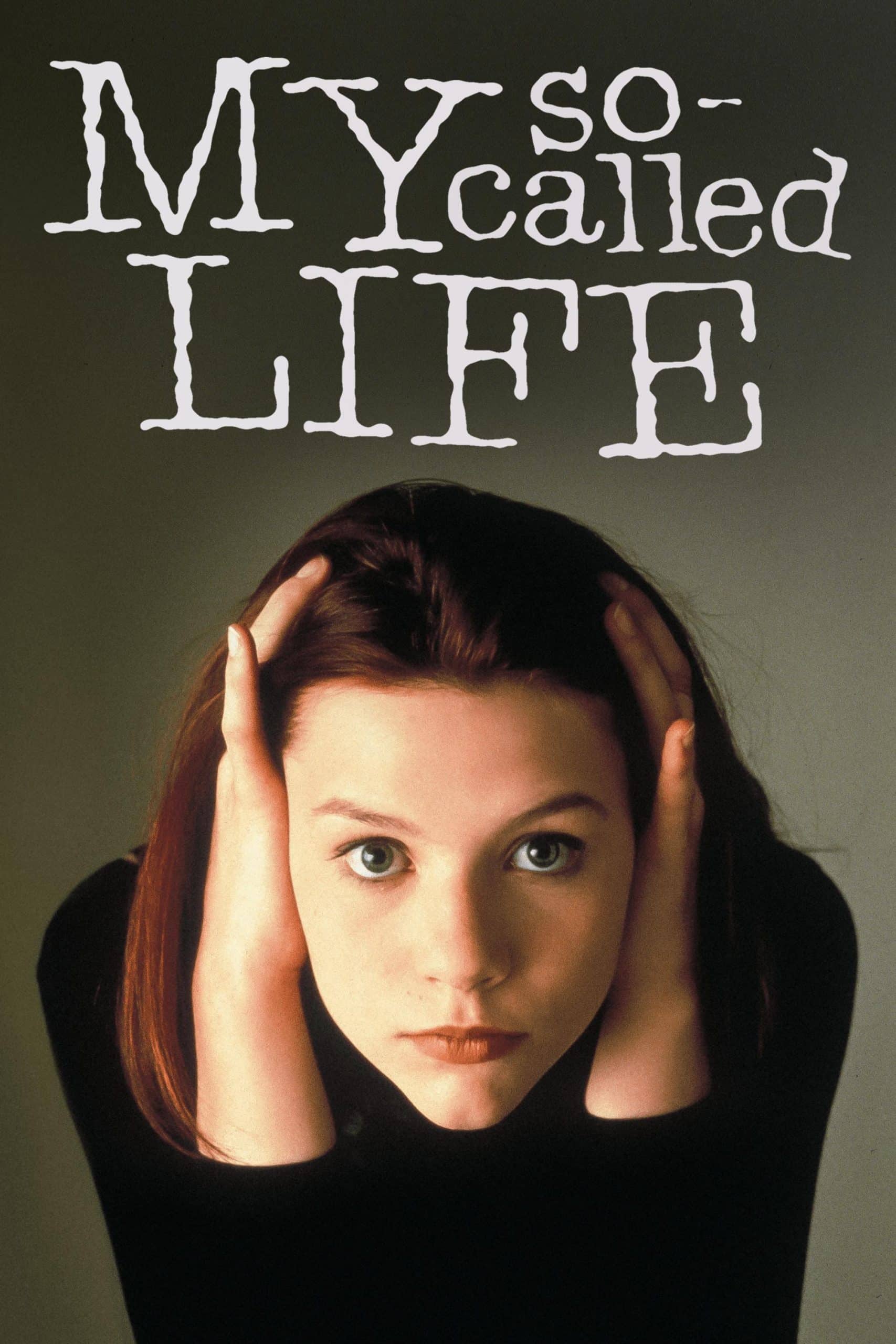
Hello, everyone! How’s everything going? Today, I’m excited to share my thoughts on the drama My So-Called Life, a series that shaped a generation’s perception of teenage life and the challenges that come with navigating high school.
Advertisements
Originally broadcast from 1994-1995, comprising 19 episodes, this pioneering show is now accessible on various streaming services like Netflix and Hulu. The narrative centers around 15-year-old Angela Chase (portrayed by Claire Danes) as she attends the fictional Liberty High School set in a made-up suburb near Pittsburgh, Pennsylvania. Each episode runs for about 45 minutes, providing a raw and real perspective that transformed the teen drama genre.
Most episodes feature Angela’s perspective, often in a subjective manner, as she navigates school life, her relationships with her parents, her friends, and her infatuation with Jordan Catalano. What distinguishes this series is its candid depiction of teenage experiences, addressing themes such as identity struggles, family dynamics, friendship betrayals, and the pangs of first love with unprecedented sincerity. Intelligent, daring, and authentic, this show set a new standard for coming-of-age television.
Angela’s Journey: The Core of Teen Rebellion
Angela, a suburban teen, is evolving and beginning to distance herself from her parents to bond with her new circle of friends. Angela Chase symbolizes every teenager who has ever felt out of place, caught between the innocence of childhood and the duties of adulthood. Her transformation throughout the series illustrates the painful yet essential journey of self-discovery. Claire Danes delivers a performance that embodies the essence of teenage fragility, allowing audiences to experience Angela’s emotional highs and lows.
Angela’s introspective thoughts shed light on the tumultuous mind of a 15-year-old, revealing insights that are both significant and naive. Her quest for self-definition amid social standings, family expectations, and romantic aspirations creates a gripping narrative that resonates across generations.
Jordan Catalano: The Focus of Teen Fascination
Numerous storylines revolve around Angela’s infatuation with the charming Jordan Catalano. Portrayed by a young Jared Leto, Jordan embodies the quintessential bad boy who becomes the focal point of Angela’s world. Their relationship delves into the fervor of first love, the heartache of unreciprocated feelings, and the intricacies of adolescent romance.
Jordan’s character evolves, revealing dimensions beyond the typical enigmatic loner stereotype. His battles with learning difficulties and emotional openness add depth, transforming him from mere eye candy into a fully developed character. The on-screen chemistry between Danes and Leto captures some of the series’ most unforgettable moments, reflecting the awkwardness and passion of teenage attraction.
The Chase Family: Authentic Suburban Challenges
The series excels at depicting family dynamics without glossing over the struggles. The storyline focuses on Angela Chase, along with her parents, Patty and Graham, and her younger sister, Danielle. Patty and Graham Chase represent parents striving to bond with their rapidly evolving daughter while confronting their marital difficulties and midlife concerns.
Neither the teens nor their parents are portrayed as perfect. There are no sugar-coated narratives. This genuine portrayal of family relationships presents parents as flawed individuals rather than infallible authority figures, offering a more realistic depiction of suburban family life in the 1990s.
A Diverse Teen Landscape
The series showcases a diverse cast of supporting characters that represent various aspects of the teenage experience. Rickie Vasquez was the first openly gay teenager to feature on American network television, marking a significant moment for LGBTQ+ representation. Rayanne Graff, Angela’s spontaneous and erratic best friend, epitomizes teenage defiance and self-destructive behavior, while Brian Krakow symbolizes the intelligent outsider harboring unreciprocated love for Angela.
Each character contributes distinct viewpoints and struggles, painting a comprehensive picture of teenage social interactions. Their relationships delve into themes of loyalty, betrayal, identity, and belonging that continue to resonate with audiences today.
Critical Reception and Cultural Significance
On Metacritic, the series holds a score of 92 out of 100 based on 19 reviews, indicating “universal acclaim”. It ranks as the 20th highest-rated television series on the platform. In 2007, it was recognized as one of Time’s “100 Best TV Shows of All-TIME”. Although it lasted only one season, My So-Called Life attained iconic status and inspired numerous teen series that followed.
The 1994 ABC drama jumpstarted the careers of Claire Danes and Jared Leto and became a template for many teen-oriented shows on television today. The series’ genuine approach to storytelling for teenagers established a new benchmark for coming-of-age narratives, demonstrating that programming aimed at young adults could be both critically acclaimed and emotionally profound.
If you appreciate sincere coming-of-age narratives that don’t shy away from the complex realities of teenage life, My So-Called Life is an ideal series to binge-watch on Netflix. This timeless classic captures the universal journey of adolescence with remarkable honesty and emotional richness.
My So-Called Life remains as impactful and authentic today as when it first aired, providing viewers with an unvarnished view of the complexities of teenage existence that continues to resonate across generations.
Series Information:
- Episode Count: 19
- Available On: Netflix, Hulu, Disney+, Amazon Prime Video
- Metacritic Score: 92/100
- Genre: Teen Drama, Coming-of-Age
- Main Characters: Angela Chase (Claire Danes), Jordan Catalano (Jared Leto)
- Supporting Cast: Rayanne Graff (A.J. Langer), Rickie Vasquez (Wilson Cruz), Brian Krakow (Devon Gummersall)