
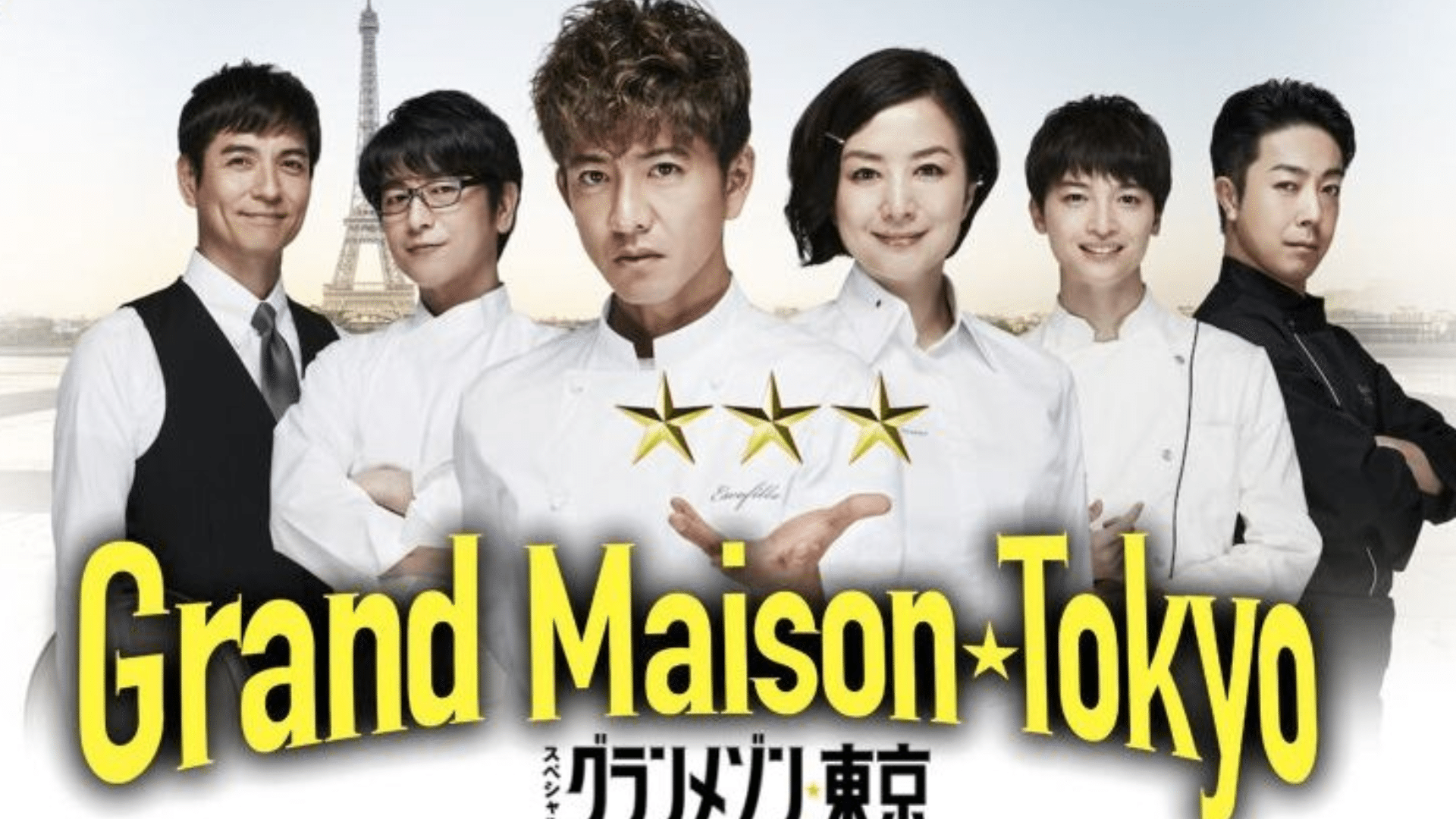
La Grande Maison Tokyo Special: A Culinary Journey of Resilience and Recovery
“La Grande Maison Tokyo Special” stands out as an exceptional extension of the highly praised original series, delivering a narrative that resonates deeply about resilience, adaptation, and the transformative nature of culinary passion amid challenges. This 2024 special not only advances the stories of cherished characters but also reflects the harsh realities encountered by the restaurant industry during and post the COVID-19 pandemic.
Advertisements
Context of the Post-Pandemic Era
The bold choice to position the special in a post-COVID-19 environment highlights the narrative sophistication of the production, which bravely tackles intricate modern themes. The series thoughtfully and authentically examines the devastation wrought by the pandemic on the global culinary landscape, turning once-thriving Michelin-starred restaurants into establishments fighting for survival.
Following Rinko Hayami’s achievement of three Michelin stars for La Grande Maison Tokyo, the COVID-19 pandemic struck the restaurant sector worldwide. This setback forced her to forge a partnership with a food service consulting firm, NEX Management, Inc., to ensure the restaurant’s survival.
This backdrop provides fertile ground for exploring universal themes of adaptation, compromise, and the conflicts between artistic aspirations and the essential needs of business sustainability.
Story Development and Key Conflicts
The special escalates its dramatic stakes around the core challenge faced by upscale culinary venues: how to uphold standards of excellence and creative integrity while needing to make financial concessions. The partnership with NEX Management symbolizes not merely a practical fix but also an existential test of the values that define La Grande Maison Tokyo.
The tagline for this film, “Regain the stars with our companions,” implies that the recovery journey encompasses more than just reclaiming Michelin recognition; it is about rediscovering the spirit of collaboration and shared passion that initially shaped the restaurant.
The addition of new characters and dynamics, including business consultants with their own agendas, introduces layers of complexity that reflect the real-world trials faced by the industry during the health crisis.
Cast Performances and Continuity
Takuya Kimura reprises his role as Natsuki Obana, infusing the character with the same intensity and zeal that made him iconic in the original series. His portrayal skillfully balances the relentless drive of the perfectionist chef with the vulnerability of a man facing the potential loss of everything he has built.
Kyōka Suzuki, a key cast member, had been on hiatus from acting for health reasons since May 2023, but reports in March 2024 revealed that a special episode of La Grande Maison Tokyo would air at the end of that year, marking her return. Her comeback adds significant emotional depth to the storyline, symbolizing themes of recovery and second chances that permeate the entire production.
Yuta Tamamori and Ayako Yoshitani, stars of this drama series, make special appearances as sous chefs and pastry chefs, providing continuity and familiarity that delights fans of the original series while further developing established characters.
Culinary Credibility and Technical Execution
The culinary supervisor for this production is Chef Shuzo Kishida from the French restaurant Quintessence in Tokyo, continuing his role from the previous installment. This continuity guarantees that the standards of culinary authenticity that characterized the original series remain intact, providing technical credibility that enhances the narrative.
Chef Shuzo Kishida stated, “I received great feedback on my previous culinary supervision, and I hope this special TV drama revitalizes the restaurant industry, including French cuisine.” This remark underscores the production’s goal to not only entertain but also uplift and support a recovering industry.
Tamamori expressed feeling anxious since the actors performed all the authentic culinary scenes in this series, emphasizing the pressure to deliver without mistakes. He mentioned that they aimed to recreate realistic culinary scenes throughout filming. This dedication to performative authenticity adds layers of realism that set the production apart from superficial portrayals of culinary culture.
Exploring Themes of Resilience and Professional Identity
The special delves into how external crises can necessitate a re-evaluation of identity and purpose. The characters grapple with not only financial obstacles but also fundamental questions about what it means to be a chef, entrepreneur, and artist in a world altered by unforeseen events.
The conflict between commercial efficiency and artistic excellence is embodied in new characters representing diverse management philosophies. Kitamura remarked on this role: “Akashi has his own sense of justice, and his approach is pragmatic, so he has employees and a contract with La Grande Maison Tokyo. Some younger individuals may view Akashi’s efficiency-focused mindset as the correct way to think.”
This examination of conflicting viewpoints adds moral complexity to the narrative, steering clear of simplistic judgments regarding business adaptation versus artistic integrity.
Cultural Impact and Audience Reception
As per Video Research, the show’s household television audience in the Kanto region reached 8.7%, indicating considerable engagement from the Japanese public with the continuation of the story.
As of January 7, 2025, the film boasts a 78% approval rating on Filmarks, based on 509 reviews, with an average rating of 3.9/5. Reviews have generally been positive, with many viewers appreciating the authentic portrayal of the impact of COVID-19 on restaurants.
U-Next announced that this special drama was the most viewed Japanese television series in its category in January 2025, affirming its status as a cultural phenomenon and its attraction to contemporary audiences.
Social Relevance and Modern Commentary
Beyond being merely entertaining, the special acts as a social commentary on collective resilience and adaptation during global crises. The respectful depiction of the challenges faced by the restaurant industry provides recognition and validation for professionals who have endured similar losses during the pandemic.
The series also tackles themes of leadership under stress, making ethical decisions in extreme situations, and the significance of community and mutual support during tough times. These themes transcend the specific culinary context, offering insights into the universal human experience.
Continuity of the Narrative and Franchise Growth
The sequel to this work is the film La Grande Maison Paris, illustrating that the special serves not only as a satisfying conclusion but also as a narrative bridge for future franchise expansions.
This continuity enables the organic development of established characters and themes, providing fans with a cohesive narrative journey that extends beyond the conventional boundaries of television series.
Cultural Legacy and Significance
“La Grande Maison Tokyo Special” signifies more than mere entertainment; it serves as a cultural document reflecting a specific period in contemporary history, capturing both the challenges and the resolve of an industry and society in recovery.
The production illustrates how fictional narratives can facilitate emotional processing and perspective on collective traumatic experiences, offering hope and inspiration through stories of perseverance and renewal.
Concluding Thoughts
“La Grande Maison Tokyo Special” succeeds as a commendable extension of a cherished series, presenting a narrative that is both intimate and universal, grounded in its context yet expansive in its thematic implications. The production displays a rare narrative sophistication, engaging with complex contemporary themes through sensitivity, realism, and optimism.
For fans of the original series, the special provides fulfilling closure and further development of beloved characters. For newcomers, it serves as a compelling introduction to themes of culinary passion, professional resilience, and community strength in the face of adversity.
The blend of culinary authenticity, dedicated performances, and contemporary social relevance establishes “La Grande Maison Tokyo Special” as one of the most significant Japanese television productions of 2024, offering entertainment that both educates and inspires.